
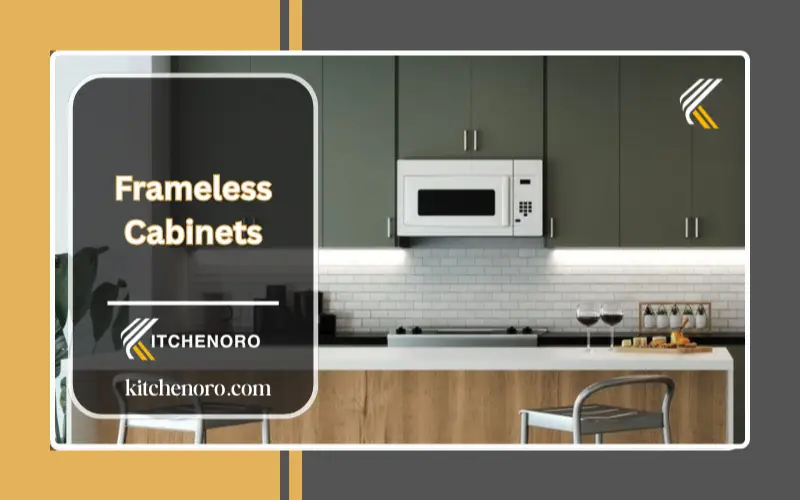
When I first explored kitchen updates in Ohio, frameless cabinets immediately stood out. Kitchens felt more open, storage felt smarter, and the overall look shifted toward a clean, modern aesthetic. Without bulky face frames, spaces looked refined and efficient—perfect for contemporary living.
Over years of remodeling projects and real-world cabinet installations, I’ve learned that frameless cabinets aren’t just a passing trend. They reflect a broader move toward minimalist design where accessibility, function, and precision matter as much as style. Still, one important question always comes up:
Are frameless cabinets actually strong enough for long-term use?
Are Frameless Cabinets Strong?- Quick Answer:
Yes—when built correctly.
Frameless cabinets offer full-access storage and a modern European aesthetic. While they lack a traditional face frame, high-quality plywood boxes, reinforced joinery, and precise installation make them sturdy, reliable, and suitable for everyday use.
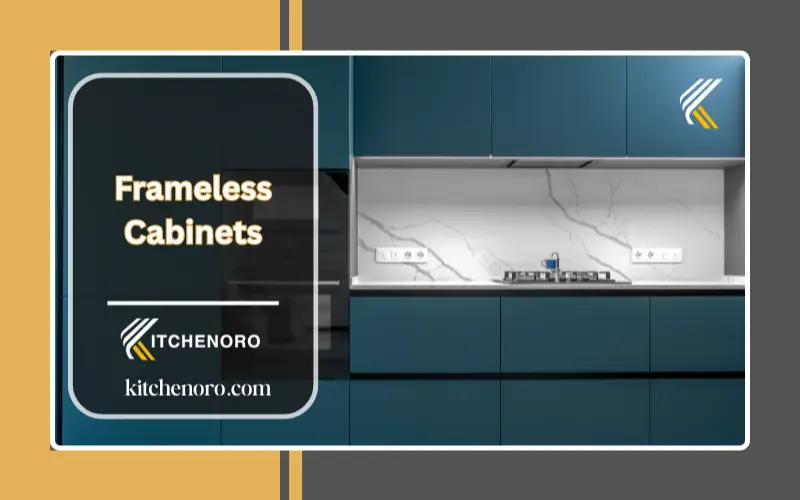
Ultra-Fast Takeaway
Frameless cabinets deliver a sleek, modern look with more usable storage—but long-term strength depends entirely on material quality and expert installation.
What Are Frameless Cabinets (Simple Definition)?
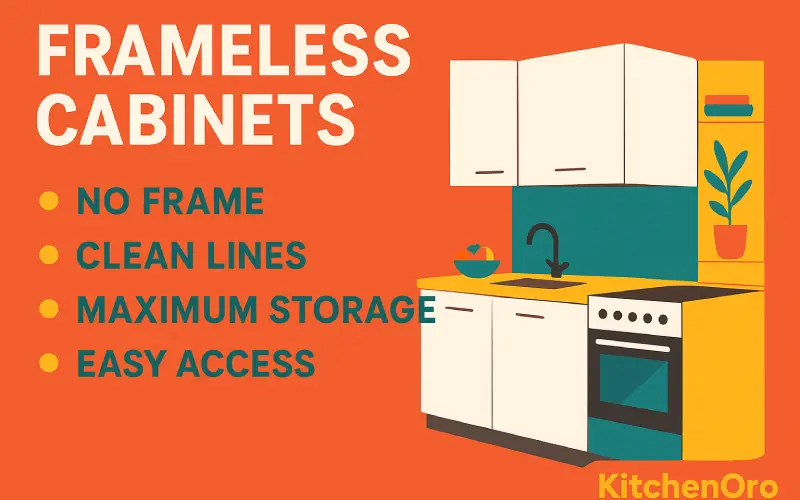
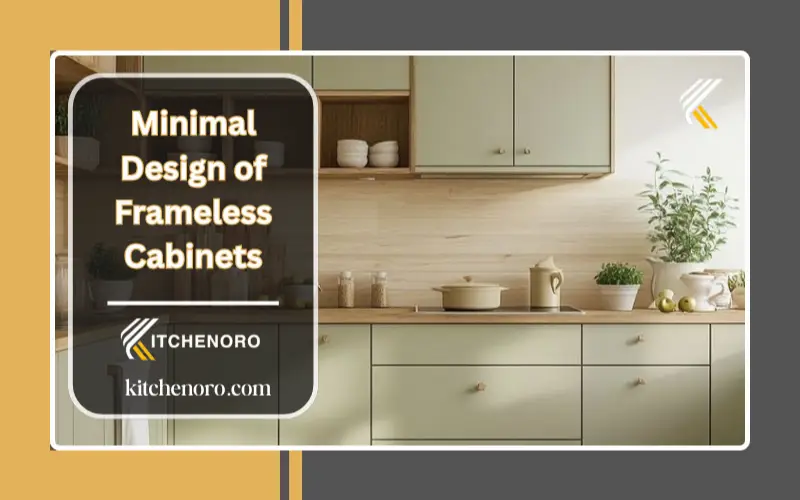
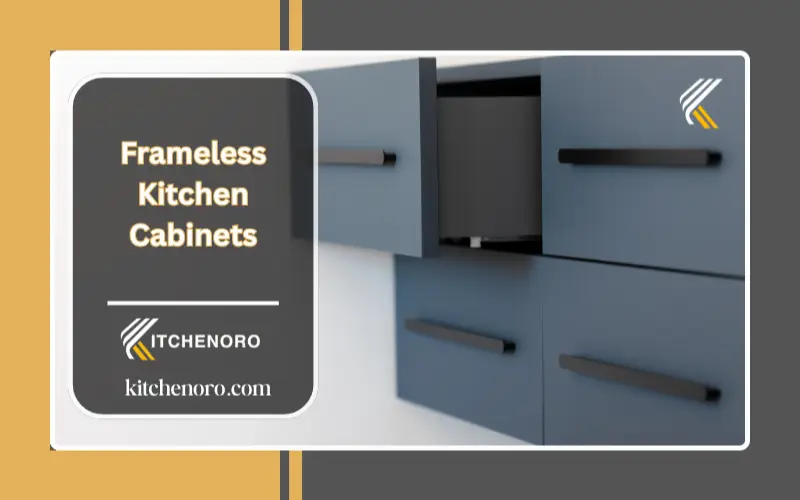
Frameless cabinets are kitchen cabinets built without a front face frame, allowing doors and drawers to attach directly to the cabinet box.
This design creates wider openings, more usable storage space, and a clean, modern appearance.
Often referred to as European-style cabinets, frameless systems rely entirely on the strength of the cabinet box for support, rather than a front frame.
How Frameless Cabinets Differ From Framed Cabinets
| Feature | Frameless Cabinets | Framed Cabinets |
|---|---|---|
| Structural Support | Box-based engineering | Face frame reinforcement |
| Storage Access | Maximum usable space | Slightly restricted |
| Installation Tolerance | Tight, precision required | More forgiving |
| Door Adjustment | Requires fine tuning | Easier long-term adjustment |
| Best For | Modern, minimalist kitchens | Traditional or classic kitchens |
| Longevity | High with quality materials | Consistently strong |
Pros of Frameless Cabinets
1) More Storage & Full Access
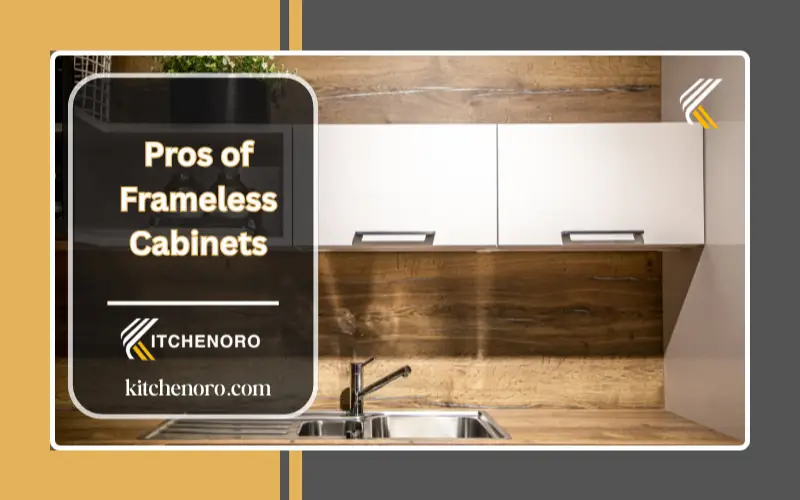
Without a face frame blocking the opening, frameless cabinets provide wider access and better interior organization. Large appliances, pull-out trays, and deep drawers fit more comfortably.
2) Sleek, Modern Aesthetic
Flush doors, concealed hinges, and clean lines create a minimalist look that feels timeless rather than trendy.
3) Flexible Design Options
Frameless cabinets support custom sizing, modular layouts, and open shelving—ideal for condos, multifamily units, and modern homes.
4) Easy Maintenance
No frame lip means fewer areas for dust and grease buildup, making cleaning faster and simpler.
5) Strong When Properly Built
Premium frameless cabinets use engineered plywood boxes, reinforced backs, and heavy-duty hardware to handle daily wear.
6) Practical Space Efficiency
More usable storage improves kitchen workflow and keeps countertops clutter-free.
Cons of Frameless Cabinets
1) Hinge Sensitivity
Hinges mount directly into side panels, making material quality critical. Cheaper MDF can loosen over time.
2) Installation Challenges
Uneven walls or floors make precise alignment difficult. Frameless cabinets demand professional installation.
3) Structural Dependence on Materials
Without a face frame, low-quality cabinet boxes are more likely to warp or fail.
4) Cost Variability
Budget frameless cabinets are affordable but may lack durability. Premium options cost more due to precision engineering.
5) Tight Design Tolerances
Manufacturing and installation must be accurate to maintain long-term alignment.
Bold Scan Takeaway
Frameless cabinets are strong by engineering—not by extra wood—so quality matters more than thickness.
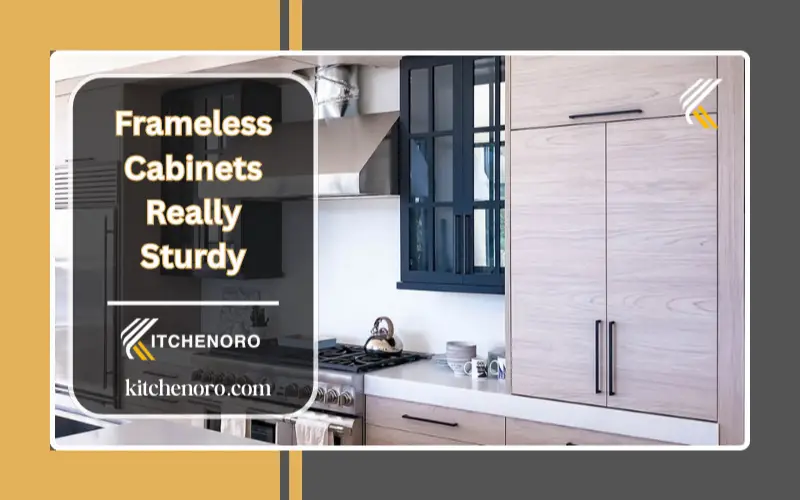
Are Frameless Cabinets Really Sturdy?
Yes—when material quality meets proper installation.
What Determines Strength
-
Cabinet material: ¾″ plywood outperforms MDF and particle board
-
Joinery: dovetail or dowel joints add long-term durability
-
Hardware: full-extension, soft-close slides rated 75–100 lbs
-
Installation: proper leveling and wall anchoring are essential
How to Tell If a Frameless Cabinet Is High Quality
-
¾″ plywood cabinet boxes
-
Reinforced back panels for wall mounting
-
Dovetail or dowel drawer joints
-
Soft-close, full-extension drawer slides
-
Adjustable concealed hinges with metal plates
If several of these are missing, durability may suffer.
Do Frameless Cabinets Offer More Usable Space?
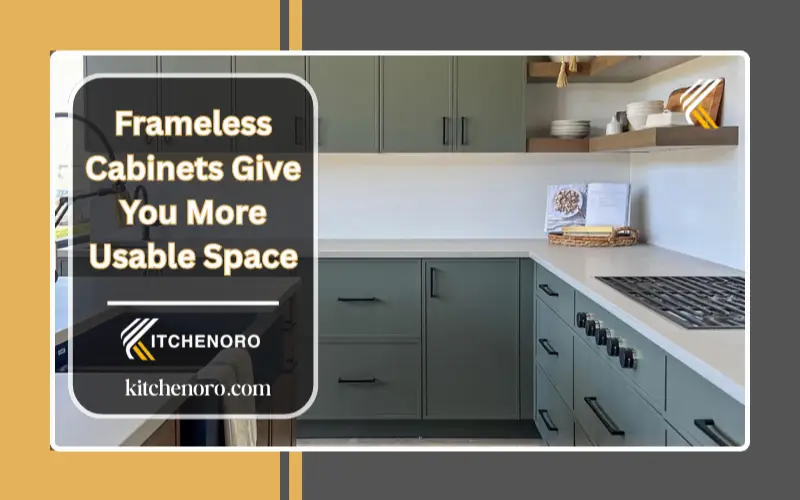
Yes. Removing the face frame creates wider openings and deeper storage. Even an extra inch or two improves access to drawer organizers, roll-out trays, spice racks, trash pull-outs, and appliance storage—making everyday kitchen use noticeably easier.
Can Frameless Cabinets Be Refaced?
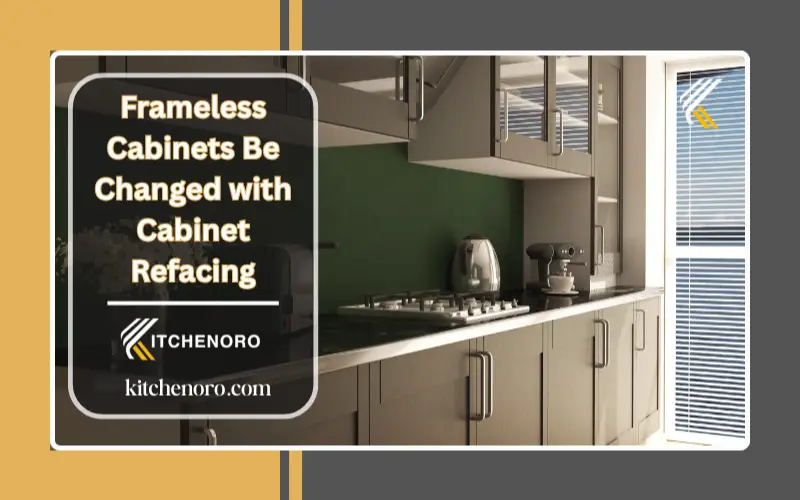
Refacing frameless cabinets is more limited than with framed cabinets. Because box edges remain visible, worn or damaged cabinets are often replaced rather than refaced.
However, homeowners can achieve a similar modern look using full-overlay framed cabinets, slab doors, bold hardware, and contemporary finishes.
Cost Snapshot: Frameless Cabinets in the U.S.
-
Budget frameless (RTA): lower upfront cost, shorter lifespan
-
Mid-range frameless: best balance of durability and value
-
Premium frameless: highest quality, requires precision installation
Choosing the Right Cabinet Style
Choose Frameless Cabinets If You:
-
Prefer modern or minimalist design
-
Want maximum interior storage
-
Have straight walls and floors
-
Plan professional installation
Choose Framed Cabinets If You:
-
Prefer traditional or transitional kitchens
-
Have uneven walls
-
Want easier long-term adjustments
Not sure which is right for your kitchen?
Kitchenoro evaluates wall conditions, layout tolerances, and material strength before recommending frameless or framed systems—ensuring performance, not just appearance.
FAQs
1) What are the disadvantages of frameless cabinets?
Frameless cabinets lack face frames, reducing support and stability, and the wood is susceptible to warping from intense water or heat. The narrower gap between cabinet doors hides hinges, so a broken hinge makes repairs challenging and sometimes necessary.
In design, despite possibilities, traditional kitchen styles prefer a classic framed look, leading designers and owners to consider the aesthetic a limitation.
Customization though appealing may not offer many choices, and projects might require us to work closely with clients to ensure a proper fit, yet it will not always satisfy expectations.
2) What are Frameless Kitchen Cabinets?
In my kitchen, I chose frameless cabinets over the traditional face frame ones because the European style feels sleek and modern. They line up neatly, add a contemporary touch, and fit perfectly with a minimalist design, giving the space clean aesthetics I really enjoy.
3) Are frameless cabinets more expensive?
They can be. Premium frameless cabinets often cost more due to higher material quality and tighter tolerances, though budget options exist.
4) Are Frameless Cabinets Still in Style?
Yes. Frameless cabinets remain a top choice in modern kitchen design due to their clean look and efficient use of space.
Conclusion
Frameless cabinets combine modern design with practical benefits like increased storage, easier access, and streamlined aesthetics. While they require higher-quality materials and precise installation, well-built frameless cabinets are durable, functional, and timeless.
Bottom Line:
Frameless cabinets aren’t a compromise—they’re a precision choice that rewards quality materials, expert installation, and thoughtful design.
About Kitchenoro
Kitchenoro is your trusted partner for complete kitchen remodeling, renovation, and elegant design. We specialize in premium cabinet installation, countertops, and transforming kitchens into luxurious, functional spaces. With expert craftsmanship and tailored solutions, Kitchenoro turns your vision into reality. Contact us to elevate your kitchen’s style and functionality!